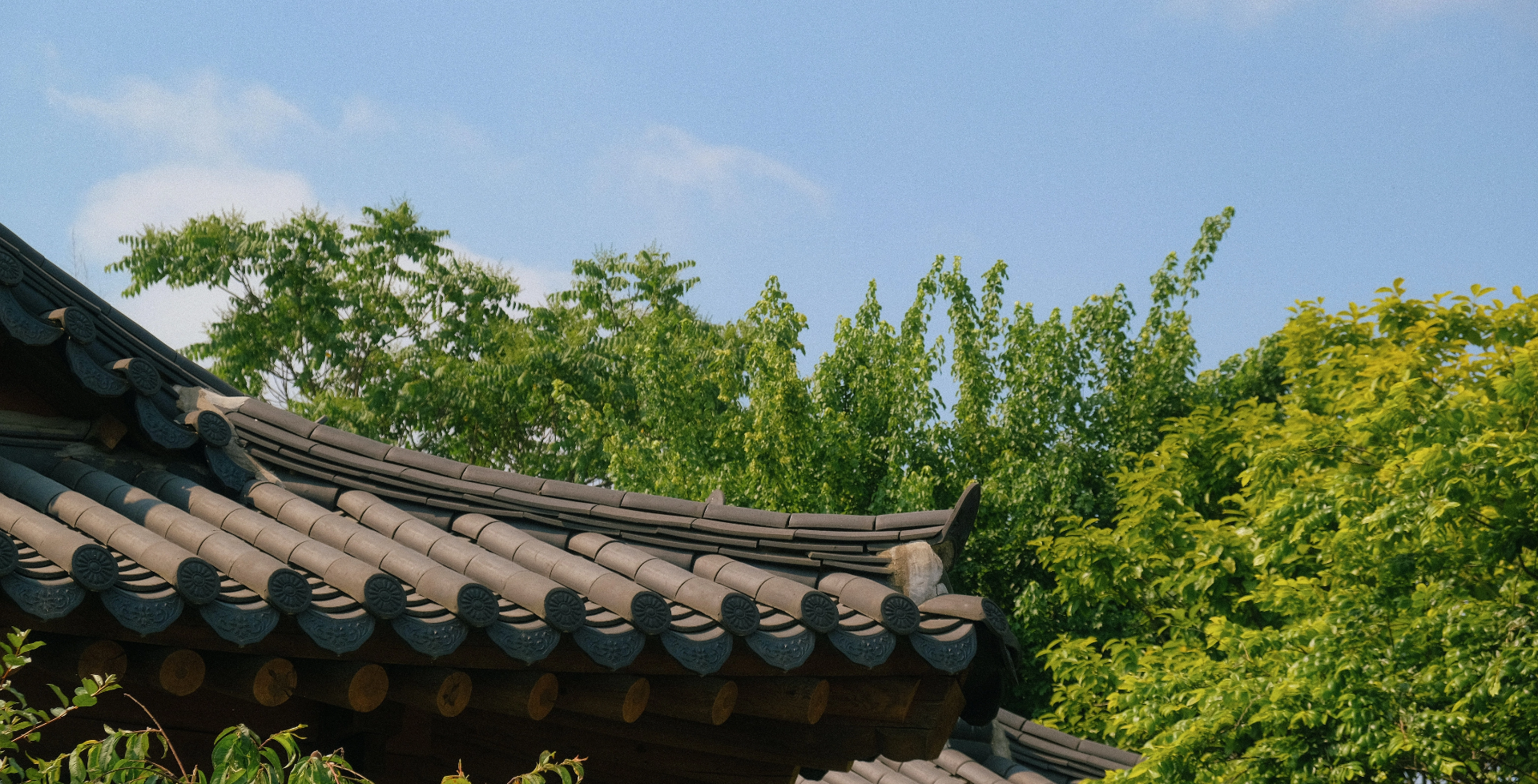
2026 JIAPICH
Based on the Jeonju Declaration on the Protection of ICH adopted
by the first international intangible heritage decree in 2017,
The Jeonju International Awards for Promoting Intangible Cultural Heritage (JIAPICH)
aims to encourage the model safeguarding practices of ICH in the global community
regardless of nationality , ethnicity, religion, race, age, gender, or any other political, social, economic or cultural orientation.
2026 JIAPICH Finalists
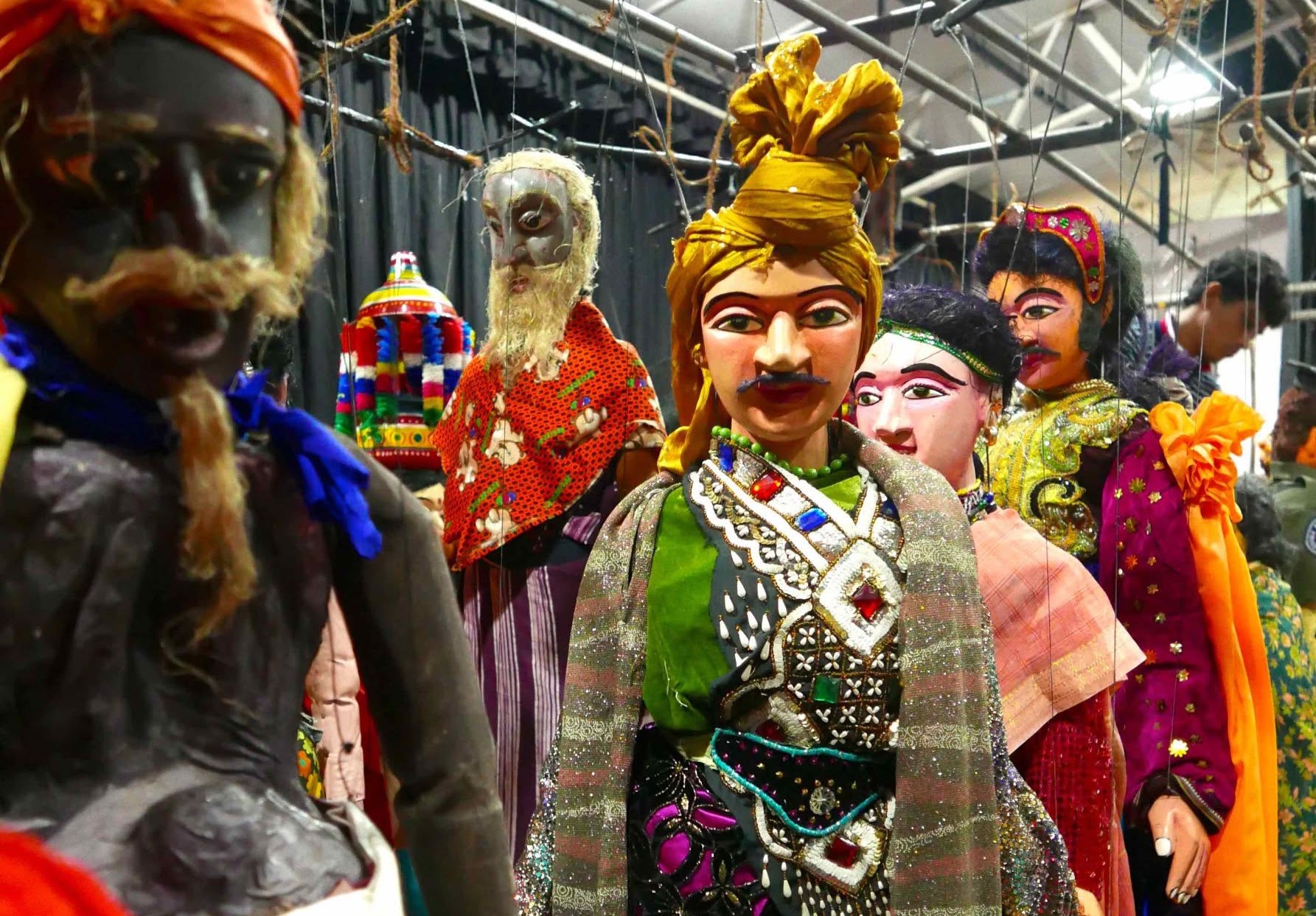
Saranga Puppet Group
- Sri Lanka -
The Sarangga Puppet Group safeguards and transmits Sri Lanka’s Rūkada Nātya puppet theatre tradition through apprenticeship training,
museum development, and digital archiving.
Under the leadership of Master Premin Ganwari, the group promotes community engagement and ensures the sustainable continuation of
this living cultural heritage.
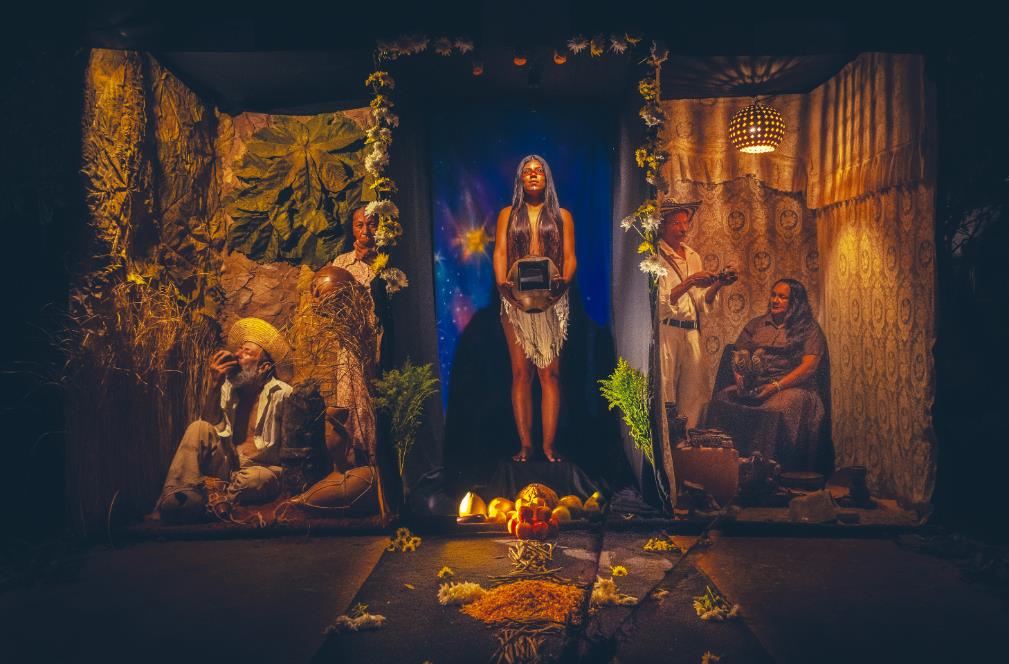
Embodying Reconciliation
- Colombia -
Embodying Reconciliation safeguards intangible cultural heritage in Colombia’s conflict-affected regions as a living social practice rather than
a static record. Through dance, rituals, and oral traditions, the organization uses the body as a medium of memory and education,
while fostering community-led governance and transmission systems that contribute to peacebuilding, social healing, and cultural sustainability.
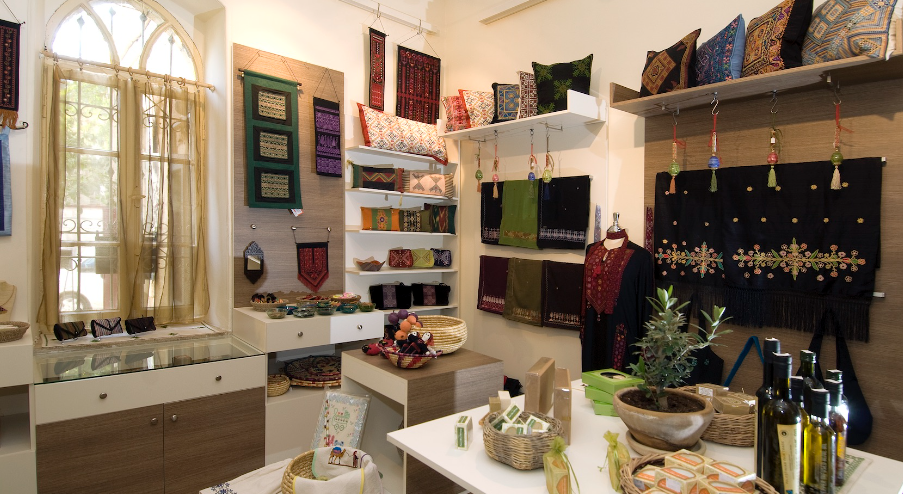
Sunbula
- Palestine -
Sunbula is a fair-trade organization dedicated to safeguarding and transmitting traditional Palestinian embroidery and
craft skills through artisan training, publications, and museum-based research.
By supporting the economic sustainability of traditional craftsmanship and documenting its historical significance,
Sunbula plays a vital role in preserving Palestinian cultural identity and strengthening community resilience.
2026 JIAPICH Finalists
Saranga Puppet Group
- Sri lanka -
The Sarangga Puppet Group safeguards and transmits Sri Lanka’s Rūkada Nātya puppet theatre tradition through apprenticeship training,
museum development, and digital archiving.
Under the leadership of Master Premin Ganwari, the group promotes community engagement and ensures the sustainable continuation of
this living cultural heritage.
Embodying Reconciliation
- Colombia -
Embodying Reconciliation safeguards intangible cultural heritage in Colombia’s conflict-affected regions as a living social practice rather than
a static record. Through dance, rituals, and oral traditions, the organization uses the body as a medium of memory and education,
while fostering community-led governance and transmission systems that contribute to peacebuilding, social healing, and cultural sustainability.
Sunbula
- Palestine -
Sunbula is a fair-trade organization dedicated to safeguarding and transmitting traditional Palestinian embroidery and
craft skills through artisan training, publications, and museum-based research.
By supporting the economic sustainability of traditional craftsmanship and documenting its historical significance,
Sunbula plays a vital role in preserving Palestinian cultural identity and strengthening community resilience.